

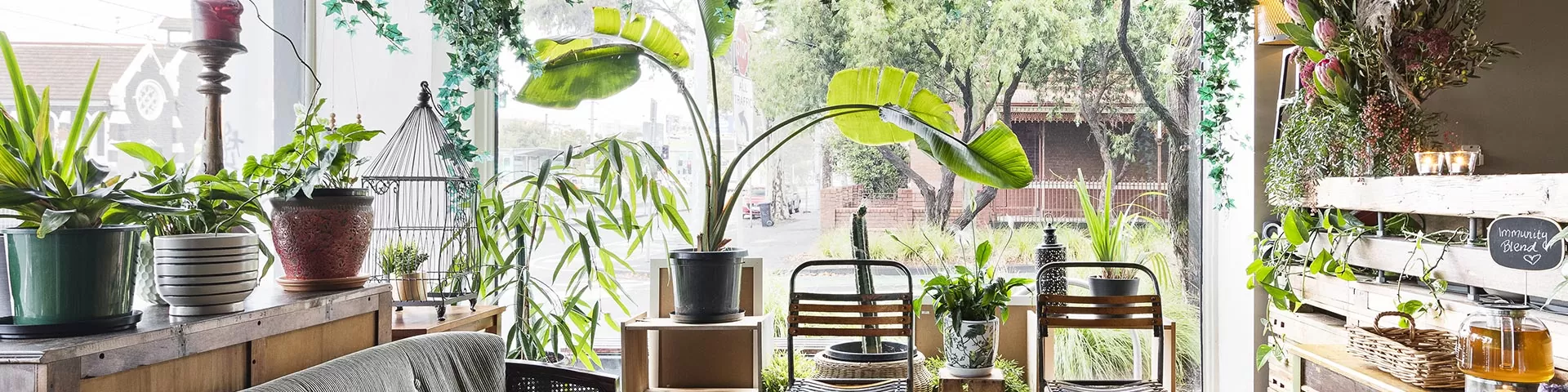

Reflexology in Carlton North, Melbourne
Sometimes the Fastest Way to Get Out of Your Head Is Through Your Feet
You arrive carrying the day.
Your brain is still running.
Your shoulders are tight.
Your nervous system apparently did not receive the memo that work is over.
And then somebody starts working slowly and deliberately on your feet.
Ahhhhh.
Reflexology is a gentle form of bodywork centred around specific areas of the feet and, sometimes, the hands.
Traditional reflexology is based on the idea that different areas of the feet and hands correspond with different organs, regions and systems of the body.
A Reflexologist uses pressure, massage and specific thumb and finger techniques across these reflex areas, paying attention to places that feel tender, tight, sensitive or different under their hands.
Some people come because they love foot massage.
Others are drawn to the holistic philosophy of reflexology.
And many discover that having their feet worked on for half an hour is an unexpectedly effective way of becoming extremely relaxed.
Is Reflexology Right for You?
You may particularly enjoy Reflexology if you:
- Feel stressed or mentally overloaded
- Find it difficult to properly switch off
- Love having your feet massaged
- Prefer gentle bodywork
- Want a deeply relaxing treatment without having a full-body massage
- Feel drawn to holistic or energetic approaches to wellbeing
- Enjoy treatment that works with the body in a slower, quieter way
- Want a treatment that can easily be combined with massage
- Are curious about the traditional reflexology map of the body
- Want to lie down and have absolutely nothing expected of you for a while
You don’t need to understand reflexology before you book.
You don’t even need to believe your big toe represents anything particularly exciting.
Curiosity is enough.
Our Reflexology Practitioners


Fees
- 30 Minutes ~ $90
- 90 Minutes – Reflexology plus Whole Body Massage ~ $220
Ready to Put Your Feet Up?
Quite literally.
Book Now!
Not sure who to book with? Contact our team on (03) 9347 9247.

Hicaps private health insurance claiming is available on sessions with our remedial massage therapists.
Gift Vouchers

Buy Gift Voucher
What Is Reflexology?
Reflexology is a form of complementary bodywork most commonly performed on the feet.
Traditional reflexology uses a map of reflex areas, with different regions of the feet understood to correspond with different parts and systems of the body.
For example, a Reflexologist may work with areas traditionally associated with the:
- Head and neck
- Spine
- Chest
- Digestive system
- Pelvis
- Different organs and body regions
The practitioner uses their thumbs and fingers to apply precise pressure through these areas.
Some points may feel completely neutral.
Others can feel surprisingly sensitive.
And occasionally your Reflexologist will find a point and you’ll immediately think:
WHAT ON EARTH IS THAT?
Your Reflexologist will then adjust their work accordingly.
What Does Reflexology Feel Like?
Mostly?
Lovely.
The practitioner works methodically across the feet using pressure, massage and small specific movements.
Some parts may feel:
- Relaxing
- Warm
- Tingly
- Sensitive
- Tender
- Surprisingly satisfying
As the treatment progresses, people often notice the rest of their body beginning to soften too.
Breathing slows.
Shoulders drop.
Thoughts quieten.
And the person who arrived saying:
“I’m not tired at all.”
may suddenly stop responding.
An excellent sign.
The Reflexology Map
One of the distinctive features of reflexology is its map of the body.
Reflexologists are traditionally taught that particular points on the feet and hands correspond with different organs, structures and systems.
This framework guides where and how they work.
The precise physiological mechanism behind these reflex maps hasn’t been firmly established through modern medical research.
That doesn’t mean we need to throw the entire experience out.
Practitioners continue to observe patterns through their work, and clients often describe physical or subjective responses during and after sessions.
We can hold both things at once:
The traditional reflexology model offers a meaningful framework for the treatment.
And we don’t need to pretend every mapped relationship has been scientifically proven.
There is plenty of room for curiosity.
Reflexology and Deep Relaxation
This is where Reflexology really shines for many people.
Feet contain an extraordinary number of sensory nerve endings.
Slow, rhythmic touch to the feet can feel intensely soothing.
You may notice:
- Your breathing becoming slower
- Your body feeling heavy
- Your jaw softening
- Your thoughts becoming quieter
- A sense of warmth
- Sleepiness
- Feeling more grounded
- A general sense that things are slightly less urgent than they were 20 minutes ago
Sometimes people describe feeling as though their whole body has relaxed even though the practitioner has only touched their feet.
We think that’s one of the loveliest things about this work.
If you’re looking for a proper relaxation reset that covers more surface area of your body, check out our Deep Relaxation massage or Lomi Lomi massage.
Reflexology and the Nervous System
People often use phrases such as:
“My nervous system finally settled.”
after slow forms of bodywork.
Comfortable touch, rhythm, stillness, warmth and feeling safe can all influence how activated or settled we feel.
Reflexology gives you an unusual opportunity to lie still while receiving concentrated, repetitive touch through one of the most sensory areas of the body, which many people experience as profoundly calming.
Reflexology for Stress and Overwhelm
Stress likes to follow us everywhere.
Even into bed.
You can be physically still while your brain continues composing emails, solving conversations from three days ago and planning things nobody has asked you to plan yet.
Reflexology creates a very different sensory focus.
Instead of thinking:
What do I need to do next?
your attention often begins drifting toward:
Ohhhh, that feels nice.
It’s a surprisingly useful exchange.
Reflexology doesn’t remove whatever is causing stress and anxiety in your life.
But an interval of genuine physical quiet can still be meaningful.
Reflexology and Sleep
Many people become extremely sleepy during Reflexology.
Some also report sleeping particularly well afterwards.
We wouldn’t claim Reflexology treats insomnia because sleep difficulties can have many causes.
But if your main problem is that your body has forgotten how to slow down, a treatment built around lying still while someone methodically massages your feet is not the worst place to begin.
Reflexology and Pain
People sometimes seek Reflexology because they live with pain or physical discomfort.
Some studies have explored Reflexology for pain, fatigue and other symptoms, including in people receiving cancer treatment, but the research remains limited and inconsistent. Reflexology is therefore better understood as complementary support rather than a treatment for the underlying cause of pain. During your session, you may experience:
- Relaxation
- Less muscular guarding
- A shift in how your body feels
- Temporary comfort
- A greater sense of ease
But persistent or unexplained pain still deserves appropriate assessment, perhaps with one of our Myotherapists or our Holistic GP. Pain in your feet can have a surprising number of causes and musculoskeletal treatment can be super helpful.
Reflexology and Anxiety
Some people find Reflexology very calming when they feel anxious or overstimulated.
Research has looked at possible effects on anxiety and psychological wellbeing, particularly in clinical populations, but findings have been mixed and the quality of evidence remains low.
So we don’t promise that Reflexology treats an anxiety disorder.
What we can say is that many people find the experience deeply relaxing.
Sometimes having your attention brought gently back into your body is valuable in itself.
If anxiety is substantially affecting your life, Reflexology can sit alongside more targeted care such as Psychology or Counselling rather than replacing it.
Reflexology and Headaches
Traditional reflexology maps include areas associated with the head and neck.
Some people book Reflexology when experiencing headaches and report finding the treatment soothing.
We wouldn’t promise Reflexology will treat migraine or recurrent headaches.
Migraine is a neurological condition, and headaches can have many causes.
If headaches are frequent, severe, new or changing, appropriate assessment is important.
Read more about Headaches and Migraines
Reflexology and Digestion
The reflexology map contains areas traditionally associated with digestive organs and systems.
A Reflexologist may therefore spend time working with these points when somebody describes digestive discomfort.
Some clients report changes in how their abdomen or digestion feels following deeply relaxing bodywork.
But we wouldn’t describe Reflexology as a treatment for IBS, reflux, constipation, inflammatory bowel disease or other digestive conditions.
Persistent digestive symptoms deserve proper assessment.
Reflexology can be something you enjoy alongside that process.
Read more about Gut and Digestive Health
Does Reflexology Detox the Body?
Your liver, kidneys, lungs and digestive system are responsible for processing and eliminating substances from your body.
Reflexology doesn’t need to “remove toxins” in order to be worthwhile.
It can still be relaxing, nurturing, interesting, grounding and deeply enjoyable.
Does Reflexology Activate the Body’s Healing?
People often use language such as “supporting the body’s natural healing processes” when talking about complementary therapies.
There is something sensible underneath that phrase – your body is constantly repairing tissue, maintaining balance and adapting to its environment without requiring conscious instruction.
Rest and relaxation can be part of supporting general wellbeing.
So our approach is simply this:
We create conditions for rest.
Your Reflexologist works thoughtfully with your feet.
And your body responds in whatever way it responds.
Can Reflexology Feel Energetic?
For some people, yes.
Reflexology isn’t always experienced simply as physical pressure on the feet.
People may describe:
- Tingling
- Warmth
- Waves of sensation
- Feeling grounded
- Feeling lighter
- A sense of movement through the body
- Emotional shifts
- A sense that something has “settled”
Different people interpret those experiences differently.
Some understand them energetically.
Others understand them through relaxation, sensation and the nervous system.
We’re comfortable leaving space for both.
Why the Feet?
Feet are quite extraordinary.
They carry your body around all day.
They contain joints, muscles, fascia, nerves and an enormous amount of sensory information.
And unless something goes wrong, most of us barely acknowledge them.
Until somebody massages them.
Then suddenly they become the most important part of the body.
Reflexology takes that experience much further than a quick foot rub.
The practitioner works systematically and intentionally across different areas of the feet, giving them the kind of attention they almost never receive.
Is Reflexology Just a Foot Massage?
Not quite.
There is certainly massage involved, and if you love foot massage you’ll be jumping for joy!.
But a Reflexologist is also working according to a reflexology map and using specific techniques and pressure patterns rather than simply providing a general foot massage.
The treatment therefore has both a physical experience and a traditional therapeutic framework.
Reflexology Plus Whole Body Massage
This might be one of our fave combinations.
Our 90-minute Reflexology plus Whole Body Massage appointment gives you time for focused Reflexology as well as broader massage through the rest of the body.
This works particularly well if you love Reflexology but also know that your shoulders, back or legs would become deeply offended if they were excluded.
You get the grounding, detailed foot work first or as part of the session, combined with the pleasure of a more complete massage experience.
Very civilised.
What Happens During a Reflexology Session?
At the beginning of your appointment, your Reflexologist will ask about your general health, what brought you in and anything they need to know before treatment.
You can then lie comfortably on the treatment table while your practitioner works with your feet.
They may use:
- Thumb pressure
- Finger pressure
- Massage
- Small circular movements
- Stretching or mobilisation of the feet
- Cream or oil
Your Reflexologist may spend more time around certain areas depending on their assessment and what you tell them.
All you need to do is lie there and chill.
Does Reflexology Hurt?
Usually no.
Some points can feel surprisingly tender, and sensitivity can occur for all sorts of reasons.
Your Reflexologist will adjust pressure according to your comfort.
Please speak up if something feels too intense.
Being stoic during foot massage achieves very little.
What If My Feet Are Ticklish?
Tell us.
You are far from the first person.
Reflexology pressure is usually firmer and more deliberate than light tickling touch, so many ticklish people tolerate it surprisingly well.
If certain areas are impossible, your practitioner can adapt.
What If I Hate My Feet?
Also tell us.
So many of us are wildly self-conscious about our humble feet.
Your Reflexologist sees feet all day.
Different shapes.
Different toes.
Calluses.
Bunions.
Hair.
Wonky toenails.
Normal human feet.
You do not need a pedicure before attending Reflexology.
We promise.
Do You Work on the Hands Too?
Reflexology can also be performed on the hands.
Foot Reflexology is generally the main form offered, but hand Reflexology may be useful where working on the feet isn’t comfortable or appropriate.
Speak with your practitioner if this interests you.
When Might Reflexology Not Be Appropriate?
Reflexology is gentle, but that doesn’t mean it is appropriate in every situation.
Tell your practitioner if you have:
- A recent foot injury or fracture
- Open wounds
- Significant skin infection
- Severe inflammation
- Recent surgery
- Significant swelling
- Reduced sensation in the feet
- Peripheral neuropathy
- Diabetes-related foot complications
- Blood-clot concerns
- Cancer treatment affecting the skin or nails of your feet
Some cancer medicines can make the skin and nails of the feet particularly vulnerable, and Cancer Council recommends avoiding Reflexology in some of these situations.
If you’re undergoing cancer treatment or have significant medical conditions, talk with your treating team and Reflexologist about whether treatment is appropriate. Complementary therapies should sit alongside, rather than replace, conventional medical care.
Reflexology During Cancer Treatment
Some people living with cancer use Reflexology as a complementary therapy for relaxation and wellbeing.
Clinical studies have explored Reflexology for symptoms such as anxiety, fatigue, pain and peripheral neuropathy, but studies tend to be small and results remain uncertain.
If you’re receiving cancer treatment, please tell your Reflexologist and discuss complementary therapies with your medical team.
Treatment may need to be altered or avoided depending on your treatment, skin integrity, neuropathy or other complications.
Reflexology vs Remedial Massage
These treatments have very different purposes.
Remedial Massage generally focuses on particular areas of muscular pain, tension or dysfunction.
Reflexology focuses primarily on the feet and hands using the traditional reflex-point framework.
If your thought is:
My shoulder is killing me.
Remedial Massage probably makes more sense.
If your thought is:
I would like somebody to work on my feet until my brain stops bothering me.
Reflexology is looking extremely promising.
Reflexology vs Deep Relaxation Massage
Both treatments can be deeply relaxing.
Deep Relaxation Massage involves broader full-body massage and flowing bodywork.
Reflexology is much more concentrated and specific, usually working almost entirely through the feet.
If you can’t choose, our 90-minute Reflexology plus Whole Body Massage rather brilliantly avoids the problem.
Frequently Asked Questions About Reflexology
What is Reflexology?
Reflexology is a form of complementary bodywork based on a traditional map connecting areas of the feet and hands with different regions and systems of the body.
A Reflexologist applies specific pressure and massage techniques to these reflex areas.
Does Reflexology really correspond to organs?
Traditional Reflexology is based on this idea.
The precise physiological relationships proposed by reflexology maps haven’t been firmly established by modern medical research.
We respect the traditional framework while avoiding claims that working a particular point has been proven to treat a particular organ.
Is Reflexology relaxing?
For many people, extremely.
Slow, concentrated work on the feet can create a surprisingly whole-body sense of relaxation.
Can Reflexology help anxiety?
Some people report feeling calmer during or after Reflexology.
Research into Reflexology for anxiety has produced mixed results, so we don’t present it as a treatment for anxiety disorders.
Can Reflexology help headaches?
Some people find it soothing, but we don’t claim Reflexology treats migraine or recurrent headaches.
Can Reflexology help digestion?
Traditional reflexology includes points associated with digestive systems and organs.
Persistent digestive symptoms should still be medically assessed rather than relying on Reflexology as treatment.
Does Reflexology detox you?
There’s not much scientific evidence for that. Your body’s organs already manage elimination and detoxification, so your feet are off the hook.
Do I need to take my clothes off?
No.
For a standard Reflexology session you’ll generally remain clothed and simply remove your shoes and socks.
Do I need to wash my feet first?
Normal personal hygiene is absolutely enough.
Your Reflexologist is not inspecting you for sandal-readiness.
What if I’m ticklish?
Tell your Reflexologist.
The deliberate pressure used in Reflexology often feels quite different from light tickling touch.
Why are some points tender?
There are many possible reasons an area of the foot may be sensitive.
Reflexologists may interpret tenderness through their traditional reflexology framework, but a tender point isn’t a medical diagnosis.
Can I combine Reflexology with massage?
Yes.
Our 90-minute Reflexology plus Whole Body Massage treatment is delicious and combines both approaches in one session.
Should I book 30 or 90 minutes?
Choose 30 minutes if you specifically want focused Reflexology.
Choose 90 minutes if you’d love Reflexology combined with a whole-body massage.
The latter is impossible to regret.
Reflexology in Carlton North, Melbourne
Reflexology is one of those treatments that can be much more interesting than it looks from the outside.
A person lies down.
Their shoes come off.
Someone works slowly through their feet.
Simple.
And yet people often emerge looking as though they have briefly left the planet.
There is the traditional reflexology map.
There is skilled, attentive touch.
There is the sensory pleasure of having an area of the body that works incredibly hard finally receive some attention.
And there is the simple experience of stopping.
Someone massaged my feet for half an hour and I felt bloody fantastic.
We’re conveniently located for people seeking Reflexology in Carlton North, Fitzroy, Fitzroy North, Clifton Hill, Brunswick East, Northcote, Collingwood and Melbourne’s inner north.
Ready to Put Your Feet Up?
Not Sure Who to Book? Contact Us on (03) 9347 9247